
Infraocclusion of Primary Molars
Infraocclusion occurs when a tooth is below the occlusal plane, common at ages 9-10, potentially causing space issues. Diagnosis is via percussion. Treatment is usually unnecessary, but extraction or space maintainers may be considered if subsequent premolars are missing.
Table of contents
This article is based on an original article in Swedish which can be found here
BACKGROUND
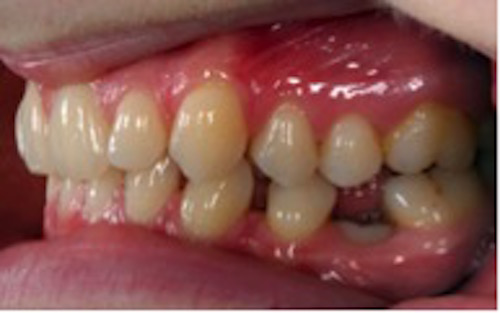
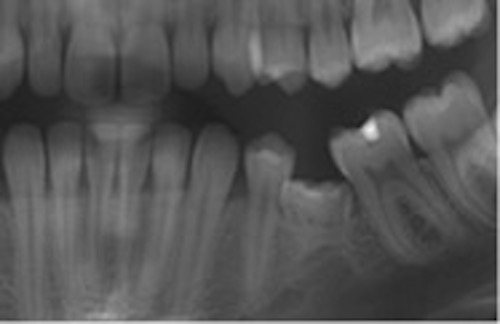
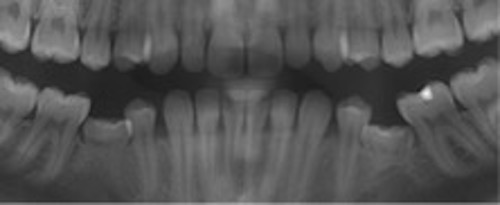
Infraocclusion of teeth means that the teeth are located below the occlusal plane of adjacent teeth. The distance can vary from a few millimeters to the occlusal surface being below the gingival margin or not even visible in the mouth (1-4). In most cases, all primary molars erupt to occlusal contact with opposing teeth. Later, some begin to be infraoccluded and sometimes they also become ankylotic.
Prevalence
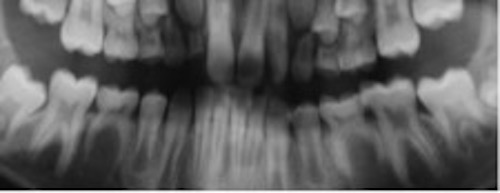
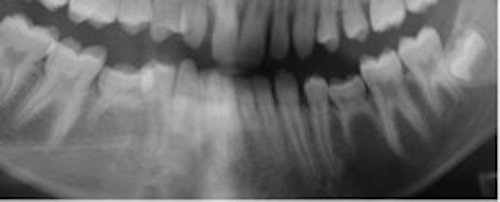
In rare cases, primary molars can be seen in infraocclusion as early as 3-4 years of age, but infraocclusion is most frequent at 9-10 years of age (2). Approximately 14% of children in these age groups have one or more primary molars in infraocclusion. It occurs twice as often in the mandible as in the maxilla. Infraocclusion of primary molars often occurs in children who also have other dental or eruption anomalies such as agenesis of premolars, small or peg-shaped maxillary laterals, ectopic eruption of the maxillary first permanent molars, and impacted maxillary canines (5-8).

